 IIDA SHOUTEN
 Chapter 01
Fish Consumption in Japan Is Declining
If Fish Had No Bones, More People Would Love It

Fish was once at the center of the Japanese dining table.
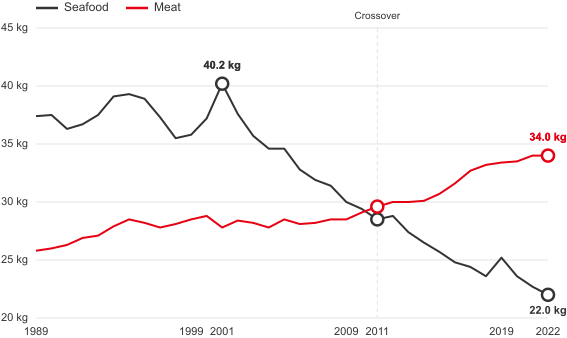
However, since 2001, fish consumption has continued to decline, and by 2010, household meat consumption surpassed fish consumption in Japan (Fig. 1).

Seafood peak
40.2 kg
FY2001

Meat overtook seafood
2011
Meat has exceeded seafood since

Seafood latest (preliminary)
22.0 kg
FY2022 — down 45% from peak
Figure 1. Per capita annual consumption of seafood and meat (net food supply, kg/person/year)
According to a survey conducted by Japan’s Fisheries Agency, the main reasons people choose fish less often include “removing bones is troublesome” and “cleaning up afterward is inconvenient” (Fig. 2&3).
Figure 2. Priorities when purchasing seafood
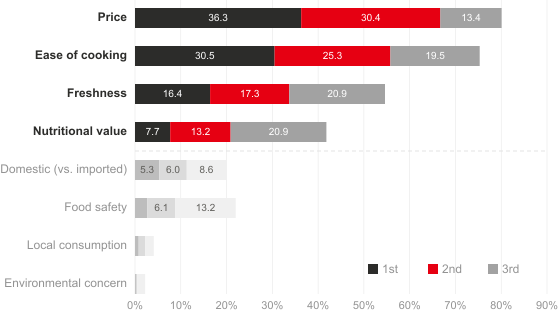
Figure 3. Reasons why I dislike eating or cooking fish dishes
Fish is highly nutritious and has long been an important part of Japanese food culture.
At the same time, the effort required for preparation and cleanup has made fish less appealing in today’s busy lifestyles.
To address this challenge, we believed that if fish had no bones, more people would be able to enjoy its value.
We believed that making fish easier to eat could help bring fish back to everyday meals.
As a company that has long been at the forefront of seafood processing, Iida Shouten knew this was a challenge we had to take seriously.
With that belief, we began the development of our deboned fish products.
Chapter 02
Safety Beyond the Effort
The Value of Boneless Fish
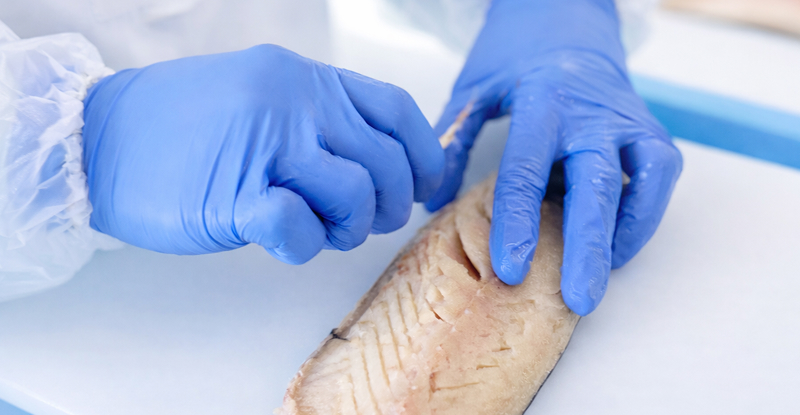
“Fish Takes Too Much Work”
This common customer concern was the starting point of Iida Shouten’s deboned fish development.
Around the year 2000, we became one of the first companies in Japan to begin developing deboned fish products.
Through years of trial and error, we pursued fish that anyone could enjoy safely and with confidence.
The answer we found was complete hand-processing by skilled craftsmen.
By carefully removing each bone by hand, one by one,
we preserve the fish’s natural taste and texture without damaging the flesh.
This process requires deep knowledge of fish anatomy,
as well as the skill to work with both speed and precision.
While machines and chemical methods can improve efficiency and productivity,
we continue to choose hand-processing because what matters most to us is whether our customers can enjoy our products safely and deliciously.
With care in every step, our craftsmen finish each piece by hand.
That is what makes Iida Shouten’s deboned fish special.
Chapter 03
96% Customer Satisfaction
Making Deboned Fish Part of Everyday Life
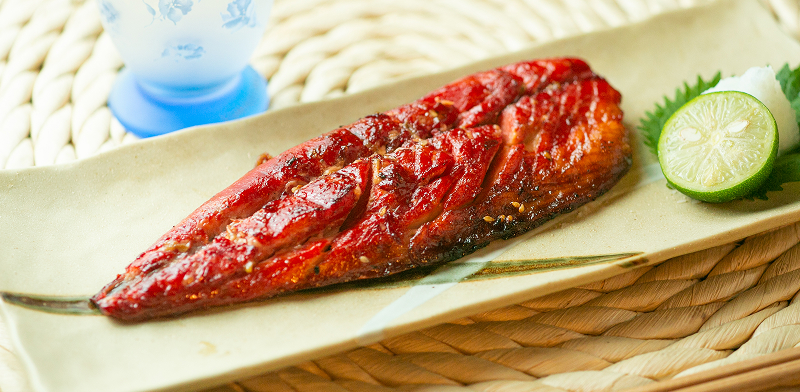
Deboned fish, which allows anyone to enjoy fish safely without worrying about bones, has become a popular choice for many families as a product that fits today’s busy lifestyles.
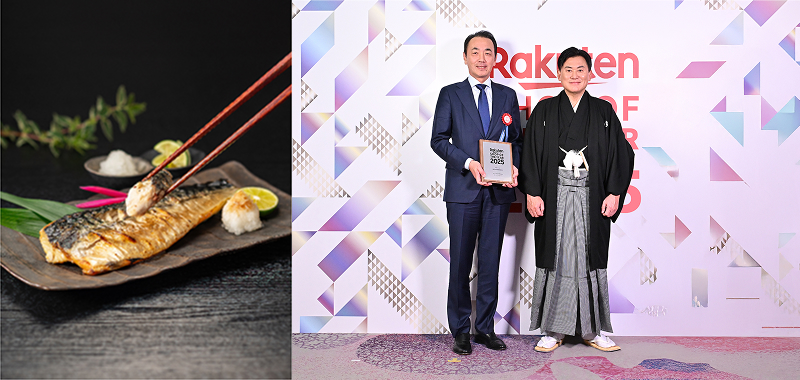
Iida Shouten’s deboned fish was ranked No.1 Overall on Rakuten, one of Japan’s largest online shopping platforms, among more than 300 million products sold nationwide for two consecutive years in 2024 and 2025.
With over 50,000 customer reviews and a satisfaction rate of approximately 96%, we continue to receive positive feedback from customers across Japan.
Customer satisfaction is based on review ratings as of January 2025 (5-point scale).
This achievement is a symbol of how Iida Shouten has brought the new value of deboned fish to households across the country.
Deboned fish is no longer simply a processed seafood product.
It has become a new style of seafood made for modern life, creating real value in everyday meals.
Chapter 04
Bringing Japan’s Fish Culture to the World
Shaping the Future of Fish Through Craftsmanship
The value of deboned fish reaches far beyond Japan.
Across the world, fish is enjoyed in many cultures.
Yet many varieties remain difficult to prepare and enjoy because of their small bones.
At Iida Shouten, we are bringing Japanese seafood to more tables through a wide range of products—from traditional salted and miso-marinated fish to deboned breaded fish and karaage-style fish—while continuing to expand around the world.
We believe fish should be easier to enjoy, and closer to everyday life.
Through the skill of deboning, we are creating new possibilities for seafood and connecting with tables across the globe.
That is the future Iida Shouten is working toward.

Common Questions
Frequently Asked Questions
Do you use any chemicals to dissolve the bones during the deboning process?
No, we do not use any chemicals at all.
All of Iida Shoten’s deboned fish is carefully deboned by hand.
Do you use any additives such as binding agents after removing the bones?
No, we do not use any binding or adhesive agents.
Because we do not rely on additives, the process requires a high level of skill and extra time.
However, this careful method helps preserve the fish’s natural texture and appearance, ensuring it can be enjoyed safely and with confidence.
What are the benefits of deboned fish compared to fish with bones?
Deboned fish can be enjoyed without worrying about bones and is easy to cook without extra preparation.
It is convenient, safe, and enjoyable for everyone—from children to older adults.